Reach
100,000+
individuals reached through sustainable fish farming programming and related community support.

Our impact
SFFI approaches impact as something communities should be able to feel, partners should be able to understand, and investors should be able to trust. Its reporting focuses on practical outcomes in food security, economic opportunity, women’s leadership, and the local systems that help progress endure.
Impact snapshot
The initiative’s work spans sustainable fish farming, training, microfinancing support, partnership with local markets, and women-centered rural enterprise. Taken together, these efforts have helped reach more than 100,000 individuals while building a stronger base for food security, livelihood resilience, and community-rooted leadership.
Reach
100,000+
individuals reached through sustainable fish farming programming and related community support.
Program model
Training + enterprise
field accompaniment, microfinancing pathways, and local market connections designed to work together.
Women’s leadership
Core mission
women’s visibility, voice, and economic agency treated as central outcomes rather than secondary benefits.
Geography
Nepal + India
deep roots in rural Nepal with growing learning relationships in sister villages in India.
Nutrition outcomes
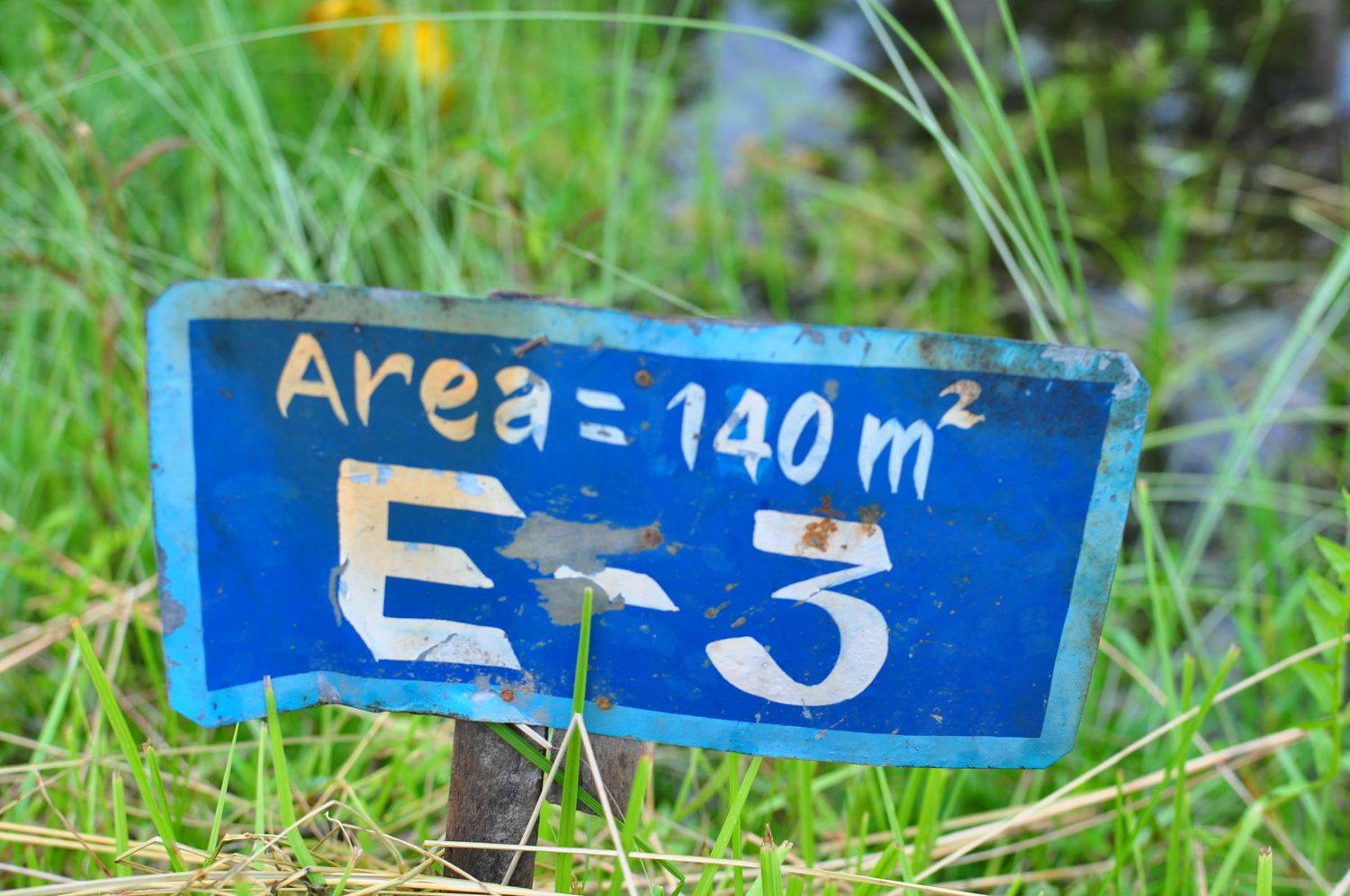
SFFI sees food security and nutrition not as abstract end goals, but as outcomes that become visible in daily household life: more reliable access to protein, stronger confidence around food planning, and a reduced sense of fragility when incomes fluctuate. Its aquaculture model is designed to help families produce value that can be consumed, sold, reinvested, and carried forward through local knowledge.
Economic outcomes
SFFI’s economic model is rooted in the idea that rural prosperity does not come from production alone. It grows when families can translate skill into enterprise, enterprise into income, and income into more durable opportunity. Through training, microfinancing initiatives, and stronger connections to local markets, the initiative helps create conditions in which livelihoods can become more stable, more practical, and less exposed to constant disruption.
Women’s leadership
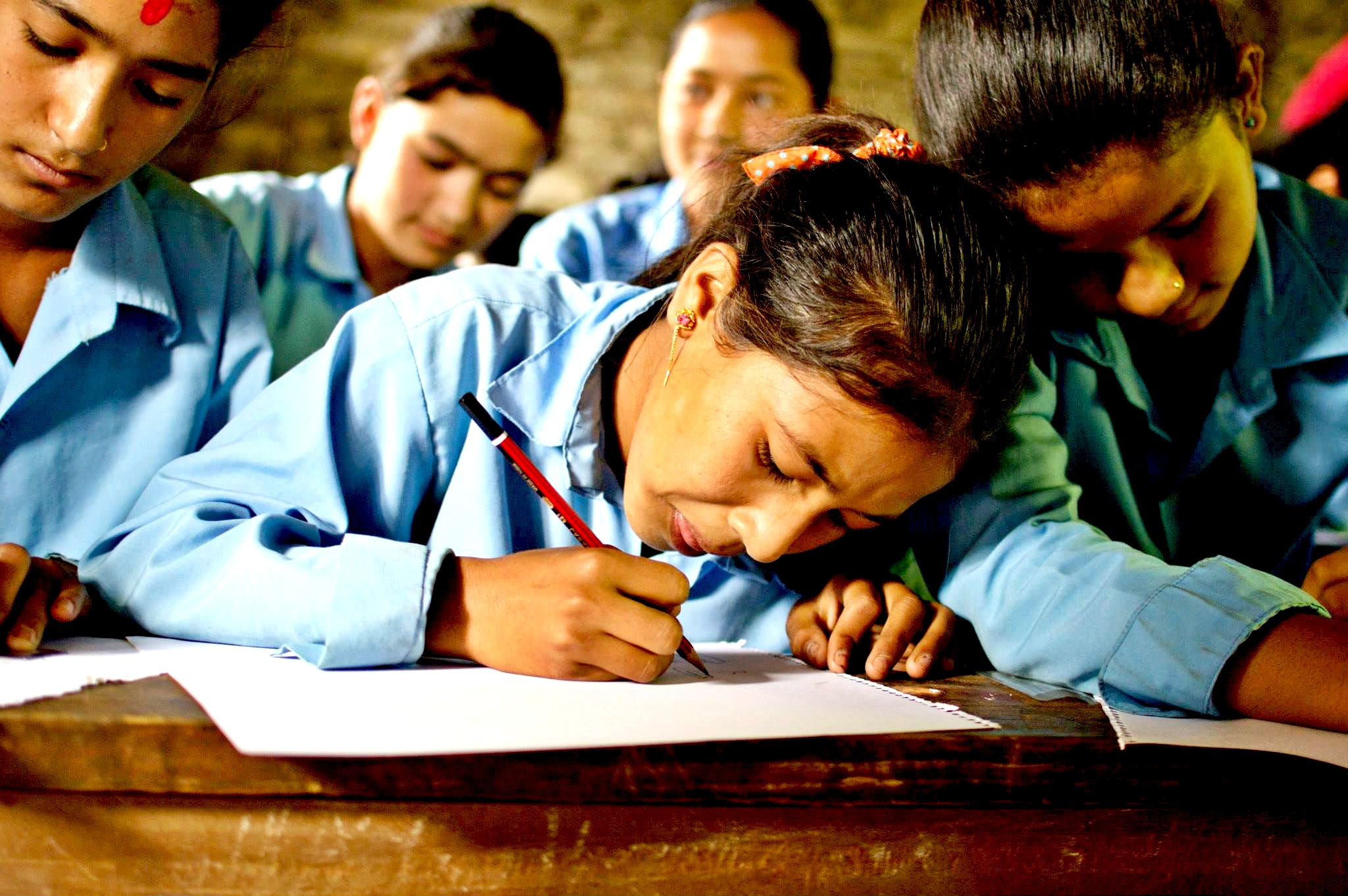
Because SFFI is women-led at its core, the initiative evaluates success partly through whether women gain greater voice, standing, and economic agency in the places where it works. That means paying attention to who participates, who leads, who is recognized, and who can influence how livelihoods and enterprise decisions are made. Inclusion is not framed as a soft value alone; it is a practical condition for resilient communities.
Review and learning
SFFI’s evaluation lens is practical by design. The question is not only whether activity took place, but whether support was credible, useful, and strong enough to improve how families, women leaders, and community partners navigate livelihood decisions over time.
Learning reviews
SFFI treats evaluation as a way to strengthen future decisions by surfacing what communities are actually experiencing, where support is working, and where operating assumptions need to be revised.
Partnership feedback
Local voices remain essential to understanding whether interventions are practical, trusted, and useful enough to endure beyond the moment they are introduced.
Investor readiness
As SFFI continues to grow, it is building a clearer record of learning, outcomes, and operating discipline so that partners and investors can assess both mission strength and execution quality.
How we measure impact
SFFI’s measurement approach combines household outcomes, enterprise observations, women’s participation, partner feedback, and field-based review. The goal is not to flatten complex rural change into a single metric, but to build a credible picture of whether the work is helping communities become more secure, more capable, and more resilient.
Household outcomes
Track whether fish production is improving food access, dietary confidence, and day-to-day stability at family level.
Income and enterprise
Monitor how training, finance, and local market access affect whether livelihoods become more dependable over time.
Women’s participation
Assess whether women are gaining greater visibility, decision-making influence, and economic agency through the initiative.
Local system strength
Look at the health of partnerships, community coordination, trust, and the ability of local actors to carry learning forward.
Program delivery quality
Evaluate whether support is practical, relevant, and usable enough for communities to apply under real constraints.
Learning and adaptation
Use field notes, partner feedback, and periodic review to refine what should be strengthened, repeated, or changed.