Practical rural transformation built through fish farming, women’s leadership, and locally rooted partnership.

SFFI works primarily in rural Nepal, with emerging learning relationships in sister villages in India, to strengthen food security, nutrition, and livelihoods through sustainable aquaculture. Its model connects technical training, enterprise pathways, women’s leadership, and local systems so progress can become more durable at household and community level.

SFFI operates as a field-rooted model for rural food security, nutrition, and enterprise resilience.

The initiative is designed around a simple conviction: meaningful development in rural communities begins when solutions are practical, locally relevant, and shaped with the people expected to carry them forward. Rather than treating aquaculture as an isolated technical intervention, SFFI connects it to household nutrition, women’s economic leadership, and the community systems that allow progress to last.

Production is treated as a household outcome, not an isolated farm output.

SFFI works to help families produce fish in ways that strengthen both nutrition and income. The aim is not only to improve pond performance, but to help households access more reliable food, reduce vulnerability, and build a stronger base for long-term decision-making.

Enterprise becomes more durable when women can lead, earn, and shape local priorities.

The initiative places women’s leadership at the core of its operating model because rural transformation is stronger when economic opportunity, enterprise ownership, and community voice are more widely shared.

The work is built around relationships, trusted local actors, and practical follow-through.

SFFI is designed to strengthen systems communities can carry forward: training networks, peer learning, enterprise coordination, and local partnership that can endure beyond any single cycle of outside support.

Women and community members gathered around fish harvest baskets in a rural setting.

Sustainable aquaculture training that improves pond management, food access, and income resilience.

SFFI works alongside farming households to strengthen the practical foundations of fish production: pond preparation, stocking, feeding, water quality, seasonal planning, harvest timing, and the small operational decisions that shape whether a pond becomes a dependable source of food and income. The emphasis is on field-based learning that families can adapt to their own realities rather than one-size-fits-all instruction delivered from outside.

  • Hands-on learning in pond preparation, fish health, feeding, and harvest planning.
  • Production practices designed to improve reliability, not just short-term output.
  • A nutrition-sensitive approach that connects fish farming to household well-being.
Community members participating in a learning setting in rural Nepal.

Women-led enterprise and leadership pathways that turn participation into real economic agency.

In many rural communities, women already sustain households, contribute labor, and hold deep knowledge of how local systems work, yet they remain under-recognized in enterprise and decision-making. SFFI is intentionally structured to expand women’s visibility, confidence, and practical role in the local economy by creating space for leadership, peer learning, market participation, and enterprise ownership.

  • Support for women to move from unpaid participation toward recognized enterprise roles.
  • Leadership development rooted in trust, visibility, and decision-making at community level.
  • Practical encouragement for women to influence how livelihoods are planned and grown.

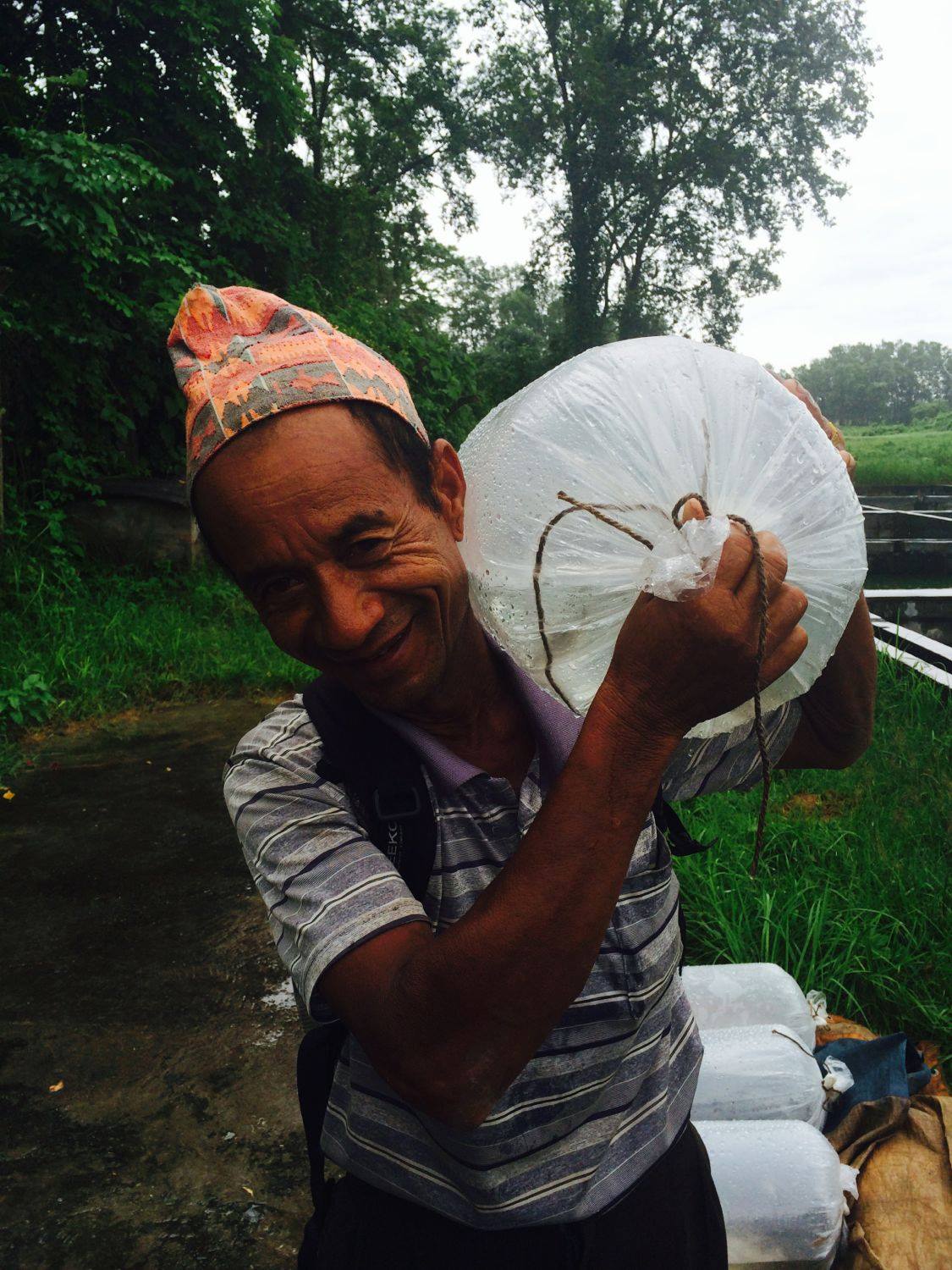
A community partner carrying aquaculture materials through a rural landscape.

Community systems and local partnership that help knowledge, trust, and progress travel further.

SFFI is not built as a stand-alone intervention. Its work depends on staying close to the communities it serves and strengthening the local relationships that make action possible. That means working through trusted partners, listening carefully before acting, and helping build the practical systems through which knowledge, accountability, and opportunity can continue to circulate after individual activities end.

  • Local partnership as a core method, not a supporting activity.
  • Community-rooted coordination that keeps learning and accountability close to the ground.
  • An emphasis on practical systems that communities can own, adapt, and extend.

Grounded in rural Nepal, with learning ties to sister villages in India.

SFFI’s regional frame is South Asia, but its operating logic remains deeply local. The initiative is built around village realities in Nepal and a growing exchange with sister villages in India where similar livelihood pressures, agricultural conditions, and social dynamics make shared learning both relevant and valuable.

Rural villages in Nepal are the initiative’s primary operating context.

SFFI’s work is centered in rural Nepal, where food insecurity, malnutrition, migration pressure, and constrained livelihood opportunities often intersect. The initiative focuses on village contexts where sustainable aquaculture can become a credible and practical pathway toward better nutrition, more stable household economics, and stronger local confidence.

Sister villages in India create space for learning across similar rural realities.

Alongside its work in Nepal, SFFI is building relationships with sister villages in India where comparable agricultural conditions, social structures, and livelihood pressures make shared learning especially valuable. These cross-border connections are not about replication for its own sake, but about understanding which methods travel well and which must stay deeply local.

The wider lens is regional, but the operating discipline remains local.

SFFI’s regional framing matters because the challenges it works on are not isolated to one village or one border. Yet its method remains intentionally grounded: stay close to communities, learn from practice, and only scale what remains relevant to the people who live with the outcomes.

Stories, learning, and field insight from a movement building a future beyond hunger.

Explore the people, lessons, and local realities shaping SFFI’s work from field updates and research notes to reflections on women’s leadership, food systems, inclusive livelihoods, and rural transformation in South Asia.

Her Farm, Her Strength: How Sumnima is building a more secure future in Chitwan

Through a project in Chitwan, SFFI trained 250 farmers and provided microfinance grants to women farmers, helping expand both skills and opportunity. For Sumnima, 28, that support is now helping transform fish farming into a more reliable livelihood and a stronger foundation for her family’s future.

Read more

From data to impact: How gender insights help farmers prosper

Gender-responsive learning helped SFFI see where women were still facing barriers in fish farming and how better-targeted support could improve outcomes. In Nepal, this approach strengthened the connection between technical training, women-centered finance, stronger livelihoods, and more secure households.

Read more

Fish Farming in Dhading Is Strengthening Rural Livelihoods

In Baseri Village, Dhading, SFFI delivered 20 technical trainings reaching 500 farmers, helping rural households strengthen fish farming as a pathway to improved nutrition, more stable income, and greater resilience. Rooted in practical, community-based learning, the project equipped farmers with the skills to improve productivity and reduce risk. For women like Mandira, a single mother of five, that support helped launch a new livelihood and increase household income by 90%.

Read more

Cultivating Change: SFFI’s SDG Innovation Award for Sustainable Aquaculture

SFFI’s SDG Innovation Award for Sustainable Aquaculture was created to honor grassroots innovators shaping a more sustainable, inclusive, and resilient future for aquaculture in Nepal. By recognizing community-rooted leadership, the award helped amplify ideas that were advancing food systems, livelihoods, and youth-led innovation.

Read more